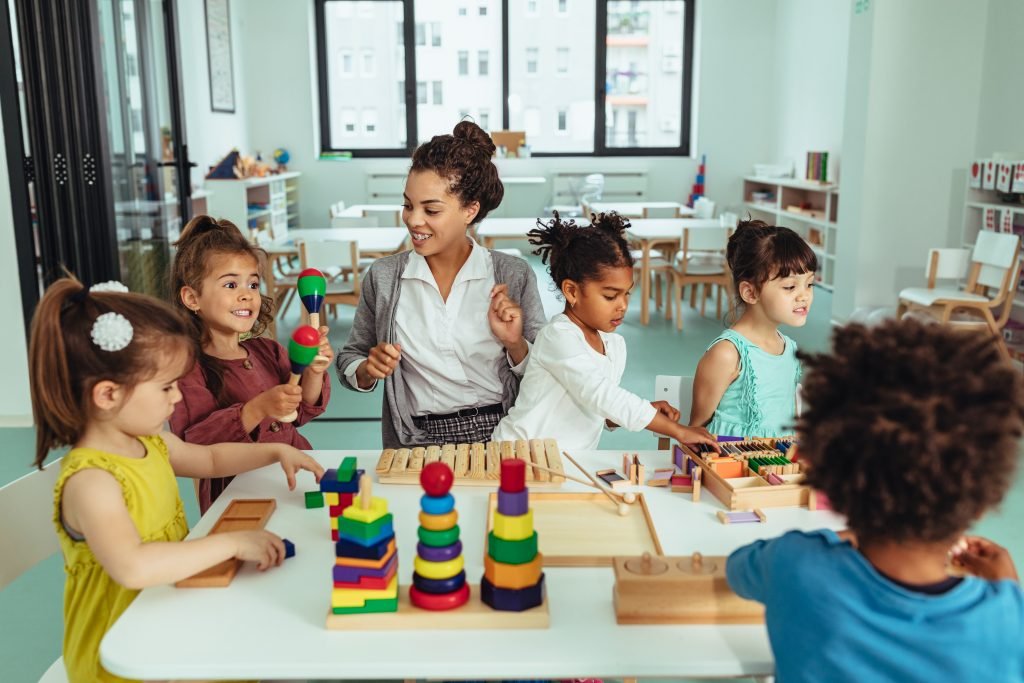



When choosing an early education program, many parents ask the same important question: Is play-based learning or structured learning better for young children? Understanding the difference between these approaches can help families feel confident they are choosing the right environment for their child’s development.
The truth is that young children benefit most from a thoughtful balance of both approaches — one that supports learning while respecting how children naturally grow and explore.
Understanding Play-Based Learning
Play-based learning is rooted in the idea that children learn best through exploration, creativity, and hands-on experiences. Through play, children actively engage with their environment, experiment with ideas, and develop important skills in a natural and meaningful way.
Play-based learning supports:
• Creativity and imagination
• Problem-solving and critical thinking
• Social interaction and communication
• Emotional expression and self-regulation
Activities such as building, pretend play, art, storytelling, and outdoor exploration allow children to learn without pressure. Learning happens organically as children follow their interests and curiosity.
What Is Structured Learning?
Structured learning involves more guided activities with clear goals and expectations. In early education, this does not mean rigid academics or formal testing. Instead, it includes intentional educator-led activities that introduce early concepts in a gentle, age-appropriate way.
Structured learning supports:
• Early literacy and numeracy skills
• Listening and attention skills
• Following routines and instructions
• Preparation for future school environments
Short group activities, guided discussions, and routine-based learning moments help children develop focus and confidence while maintaining a supportive atmosphere.
Why Play Is Essential in Early Childhood
Play is not just enjoyable — it is essential for healthy development. Through play, children practice decision-making, experiment with cause and effect, and learn how to navigate social situations.
Play helps children:
• Develop independence and confidence
• Build fine and gross motor skills
• Learn to cooperate and share
• Express emotions safely
When children feel free to explore, they develop a positive relationship with learning that often continues throughout their lives.
The Benefits of Structure for Young Learners
While play is critical, structure also plays an important role in early education. Predictable routines and guided activities help children feel secure and understand expectations.
Structure provides:
• A sense of safety and consistency
• Opportunities to practice focus and patience
• Clear transitions throughout the day
• Preparation for future learning environments
When introduced gently, structure supports children without overwhelming them.
Finding the Right Balance
The most effective early education programs do not choose one approach over the other. Instead, they blend play-based learning with intentional structure to support the whole child.
A balanced approach allows children to:
• Explore freely while receiving guidance
• Learn foundational skills without pressure
• Build confidence through success
• Develop social, emotional, and cognitive skills together
This balance ensures learning feels engaging, supportive, and developmentally appropriate.
How Educators Support Both Approaches
Skilled early childhood educators understand when to guide learning and when to step back. They observe children closely, respond to interests, and create opportunities for growth through both play and structured experiences.
Educators support learning by:
• Designing activities that encourage exploration
• Introducing early concepts through play
• Providing gentle guidance and encouragement
• Adjusting experiences to meet individual needs
This responsive approach ensures every child feels supported and capable.
Choosing the Right Learning Environment
When evaluating early education programs, parents should look for environments that value both play and intentional learning. Ask how educators balance free play with guided activities and how routines support children’s emotional well-being.
A high-quality program will:
• Respect each child’s developmental stage
• Encourage curiosity and creativity
• Provide structure without rigidity
• Foster a love of learning
Supporting Learning at Home
Parents can also support this balance at home by encouraging play while introducing simple routines and learning moments. Reading together, playing games, and allowing time for creative exploration all reinforce healthy development.
Children thrive when learning feels natural, enjoyable, and supportive — both at home and in early education settings.
Creating a Strong Foundation for the Future
Play-based and structured learning are not opposites. When thoughtfully combined, they create a powerful foundation for early development. Children gain confidence, curiosity, and essential skills that prepare them for future learning experiences.
By choosing an early education environment that values balance, families help ensure children grow into motivated, capable learners who feel confident exploring the world around them.