Group Child Care 30 Months to School Age – JK2 Program (Toddlers)
The JK2 Program is designed for toddlers who are becoming more socially aware, independent, and curious about their environment. This stage of development focuses on building communication skills, self-regulation, and early academic awareness through purposeful play and guided learning experiences.
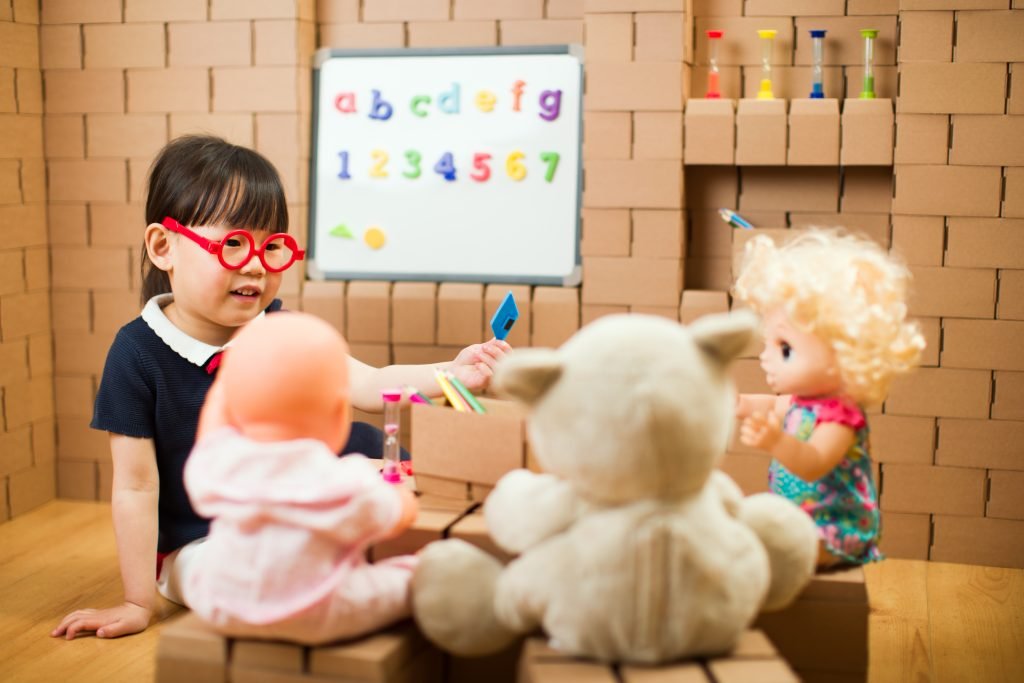
Children in JK2 engage in activities that support language development, early literacy and numeracy concepts, creativity, and cooperative play. Educators balance structured learning with child-led exploration, allowing children’s interests to shape classroom activities while ensuring developmental goals are met.
By fostering respect, responsibility, and confidence, the JK2 Program helps children develop strong social skills and a growing sense of independence in preparation for preschool learning.
Nurturing Care
We create a safe, supportive environment where children feel secure, valued, and cared for, allowing them to develop confidence and emotional well-being.
Child-Centered Learning
Every child is unique. We respect individual interests, abilities, and developmental stages, tailoring learning experiences to support natural curiosity and growth.
Play-Based Exploration
Children learn best through play. Our approach encourages hands-on discovery, creativity, and problem-solving through meaningful, age-appropriate activities.
Partnership with Families
Strong relationships with families are essential. We believe in open communication and collaboration to support each child’s learning journey.
Nurturing Early Development
Our Learning Philosophyat triumph academy
The Approach
Our Learning Environment
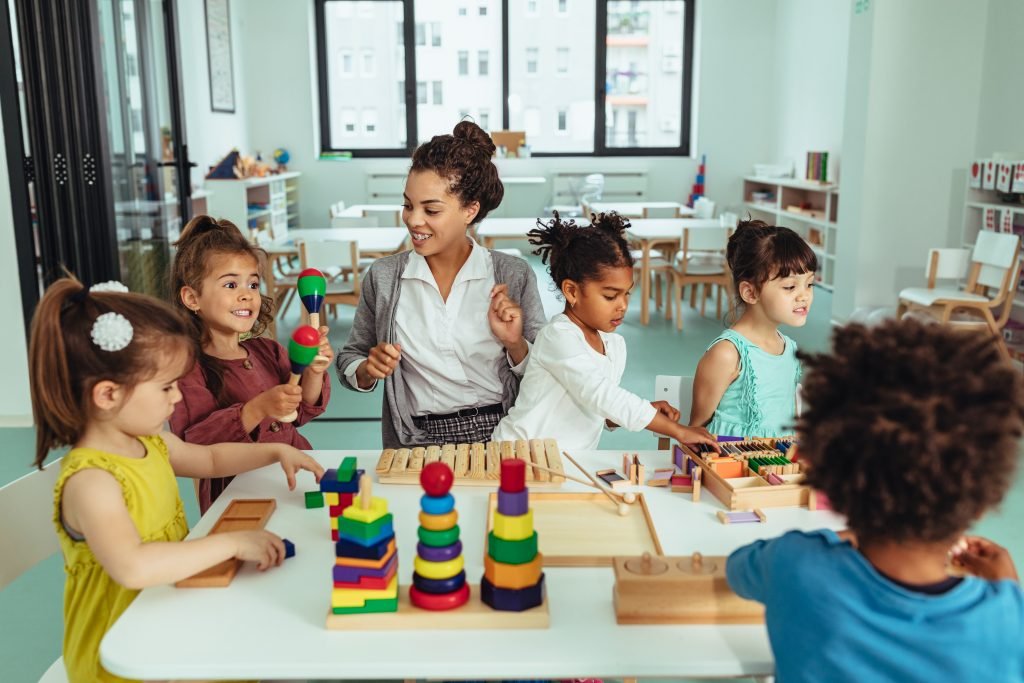
Our academy is thoughtfully designed to create a calm, engaging space where children feel comfortable and confident. Classrooms are bright, welcoming, and equipped with age-appropriate materials that encourage exploration and hands-on learning.
We maintain consistent routines while allowing flexibility to respond to each child’s developmental stage and daily needs. This balance helps children feel secure while remaining open to discovery and growth.