


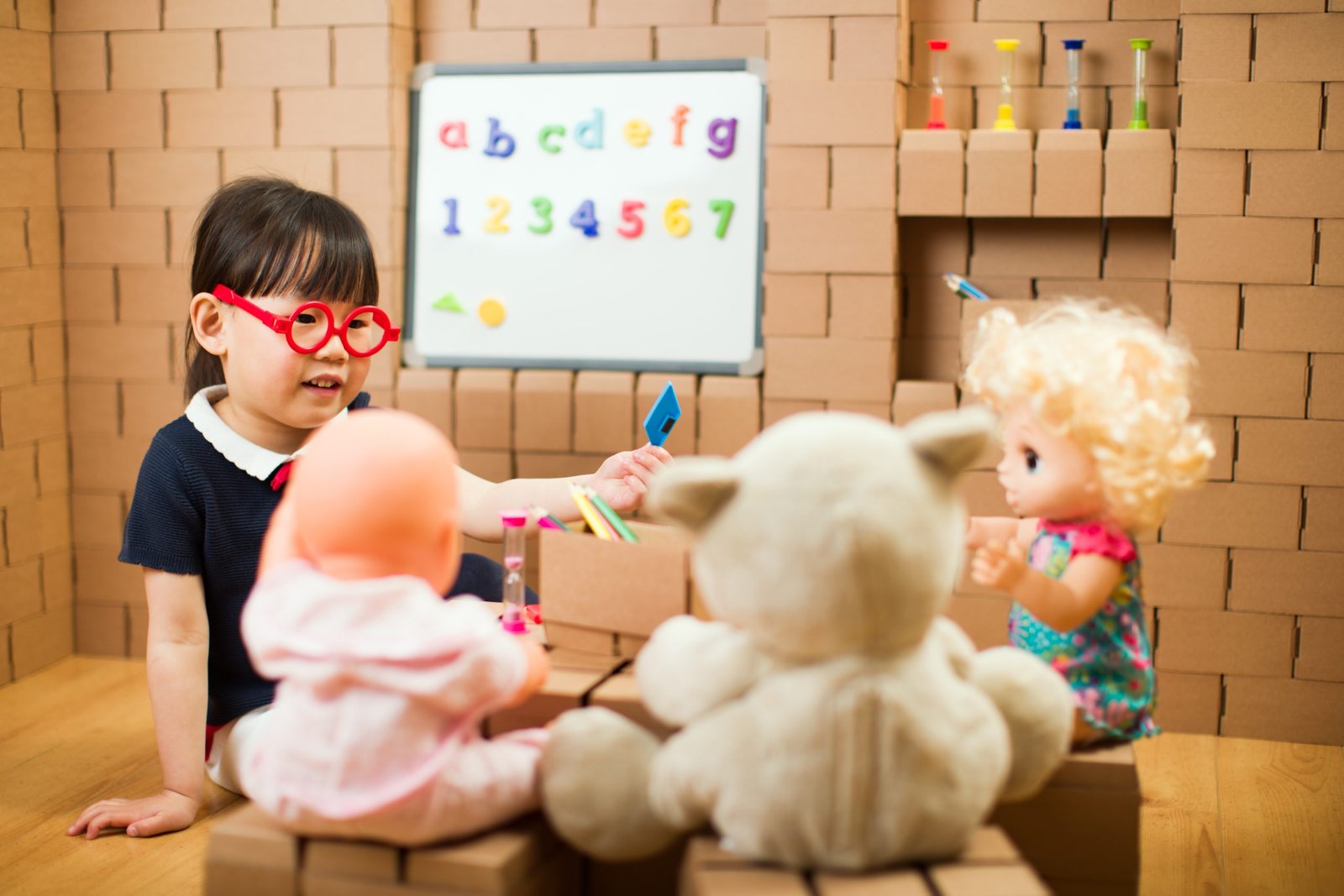
The early years of a child’s life are some of the most important for growth, development, and learning. From birth to age five, children experience rapid brain development that shapes how they think, learn, communicate, and interact with the world around them. Early childhood education plays a critical role in supporting this development and laying the foundation for lifelong success.
For parents, choosing an early education program is not just about childcare. It is about giving their child the best possible start in life.
The Importance of the Early Years
During early childhood, a child’s brain forms millions of neural connections every second. These connections are influenced by experiences, relationships, and environments. Positive early learning experiences help strengthen cognitive abilities, emotional resilience, and social skills.
Children who engage in high-quality early education programs are more likely to:
• Develop strong language and communication skills
• Build confidence and independence
• Learn how to interact positively with others
• Develop curiosity and a love of learning
These early experiences shape how children approach challenges and learning throughout their lives.
Learning Happens Through Play and Exploration
Young children learn best through play. Play-based learning allows children to explore, experiment, and make sense of the world in a natural and meaningful way. Through play, children develop problem-solving skills, creativity, and emotional understanding.
Activities such as building, storytelling, role-playing, and hands-on exploration encourage children to:
• Practice decision-making
• Strengthen fine and gross motor skills
• Develop early math and literacy skills
• Express emotions and ideas
When learning feels engaging and enjoyable, children are more likely to remain curious and motivated as they grow.
Social and Emotional Development Comes First
Early education is not just about academics. It is also about helping children understand their emotions, build relationships, and feel secure in their environment.
In a supportive early learning setting, children learn to:
• Share and take turns
• Communicate their needs and feelings
• Develop empathy and kindness
• Build healthy relationships with peers and educators
These social and emotional skills are essential for success in school and in life. Children who feel safe, supported, and understood are better prepared to focus, learn, and thrive.
Building Strong Foundations for Future Learning
Early childhood education introduces children to foundational skills that prepare them for formal schooling. These include early literacy, numeracy, and critical thinking skills.
Through guided activities and everyday interactions, children begin to:
• Recognize letters, sounds, and words
• Understand numbers, patterns, and shapes
• Develop listening and comprehension skills
• Practice concentration and persistence
Rather than rushing academic outcomes, high-quality early education focuses on building strong foundations at a pace that respects each child’s individual development.
The Role of Educators in Early Learning
Educators play a vital role in early childhood education. Caring, qualified educators create environments where children feel safe to explore, ask questions, and express themselves.
Experienced early childhood educators:
• Observe and respond to each child’s needs
• Encourage curiosity and independence
• Create meaningful learning experiences
• Foster positive relationships and trust
Strong educator-child relationships help children feel secure and confident, which directly supports healthy development and learning.
A Safe and Nurturing Environment Matters
Children learn best when they feel safe. A well-designed early learning environment supports exploration while maintaining consistency and structure.
Quality early education settings prioritize:
• Safety and supervision
• Clean, welcoming classrooms
• Age-appropriate materials and spaces
• Predictable routines with flexibility
These elements help children feel comfortable and confident as they navigate their day, allowing them to focus on learning and growth.
Long-Term Benefits of Early Childhood Education
Research consistently shows that children who participate in quality early education programs experience long-term benefits. These benefits extend beyond academics and into adulthood.
Children who attend early education programs are more likely to:
• Perform better academically
• Develop strong social skills
• Demonstrate emotional resilience
• Adapt more easily to new environments
Early education supports not only individual success but also contributes to stronger families and communities.
Supporting Families Through Partnership
Early education works best when educators and families work together. Open communication and collaboration help create a consistent and supportive experience for children.
When families are engaged in their child’s learning journey, children benefit from:
• Consistent expectations and routines
• Emotional reassurance and support
• A stronger sense of belonging
A strong partnership between educators and parents ensures that each child’s needs are understood and supported.
Giving Your Child the Best Start
Early childhood education is an investment in your child’s future. By choosing a nurturing, thoughtful early learning environment, parents give their children the opportunity to grow, explore, and develop essential skills that will support them throughout life.
The early years shape who children become. With the right guidance, care, and learning experiences, children can build confidence, curiosity, and a lifelong love of learning.